FMCSA renews railroad repair-crew hours exemption to 2030, but only for main-track emergencies
FMCSA has renewed an hours-of-service exemption that lets railroad crews drive past the 14-hour and 60/70-hour limits to reach derailments and other track emergencies, but the new version is narrower, comes with crash reporting, and covers only 231 named railroads.
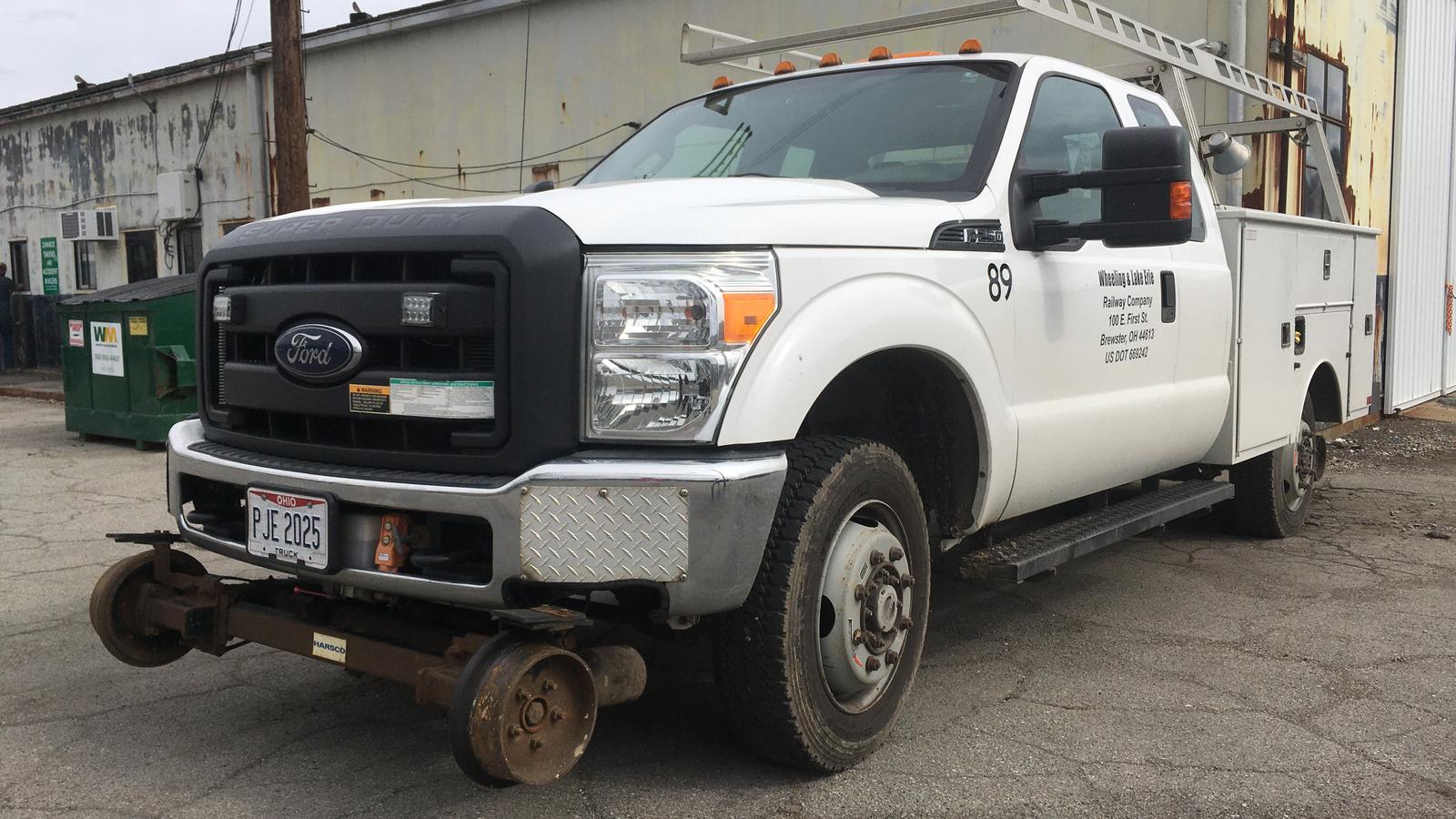
FMCSA has renewed an hours-of-service exemption that lets railroad crews drive past the 14-hour and 60/70-hour limits to reach derailments and other track emergencies, but the new version is narrower, comes with crash reporting, and covers only 231 named railroads.
The decision, published in the Federal Register on October 21, 2026, took effect October 20, 2026 and runs until October 18, 2030. It applies to member railroads of the Association of American Railroads and the American Short Line and Regional Railroad Association that drive commercial motor vehicles, such as crew and equipment trucks, to the scene of an unplanned event.
How we got here
FMCSA first granted the exemption from December 23, 2020 through December 18, 2025. When it came up for renewal, the agency extended it provisionally for six months in December 2025, then for another four months in June 2026 while it asked the two associations for more information.
FMCSA wanted a list of the USDOT numbers that would use the exemption, how often carriers had used it, and any crashes involving carriers operating under it. The associations answered on August 26, 2026, and their responses are in the public docket.
Only one comment came in, and it had been filed in the wrong docket, so FMCSA removed it.
What changed
The biggest change is a tighter definition of an "unplanned event." The exemption can now be used only for:
- a train derailment on main track
- a bridge strike that affects main-track operations
- a train collision on main track
- weather and storm events that affect main-track operations, including hurricanes, tornadoes, blizzards, rock slides and mudslides, track washouts, earthquakes and wildfires
FMCSA said limiting the list to main-track events brings it closer to the emergency provisions that apply to train crews under Federal Railroad Administration hours-of-service law.
Coverage is also now tied to a specific list of carriers. FMCSA had asked for one, and the associations submitted 257 motor carriers. FMCSA found 26 had inactive USDOT numbers and listed the remaining 231 in an appendix to the notice. Only drivers working for a listed carrier may use it.
The limits drivers must follow
When a covered driver is heading to one of those events, the driver:
- may stretch the 14-hour window to no more than 17 hours
- may not drive more than 11 hours after 10 consecutive hours off duty
- may go no more than 6 hours past the 60- or 70-hour limit
- may not travel more than 300 air miles from the normal work-reporting location or terminal
The relief covers the trip to the site only. Once there, all time spent restoring service is logged as on duty, not driving, and the normal hours-of-service limits apply again for the trip home. Drivers who have run out of hours can use FMCSA's personal conveyance guidance to get to nearby lodging or meals. If that guidance does not fit the trip, they must be driven by someone not subject to hours-of-service rules, or use a vehicle that is not a commercial motor vehicle.
Before using the exemption, drivers must complete two modules of the North American Fatigue Management Program: the driver education module and the sleep disorders module.
New paperwork
Carriers must now keep a record each time the exemption is used, along with the driver's records of duty status, supporting documents and a description of the event, and hand those over to FMCSA on request. The associations and their members must also be able to tell FMCSA how often each carrier used the exemption, including the number of days, drivers and vehicles.
Any crash involving a vehicle operating under the exemption must be reported to FMCSA within five business days. The report has to include details such as the carrier and USDOT number, the date and location, the driver, injuries and fatalities, any citations, and the driver's on-duty and driving time before the crash.
While the exemption is in force, states may not enforce conflicting rules against carriers operating under it. States may choose, but are not required, to adopt the same exemption for intrastate trips.
For railroads, the practical takeaway is to check whether your USDOT number appears in the appendix to the October 21 notice before relying on the exemption. If it is not there, the regular 14-hour and 60/70-hour limits apply.