North Bay OPP charges seven trucks for speed limiter violations: what Ontario requires
Trucks were clocked at 116 to 122 km/h on Highways 11 and 17. Drivers and carriers were both charged. Here's who must run a 105 km/h limiter in Ontario.
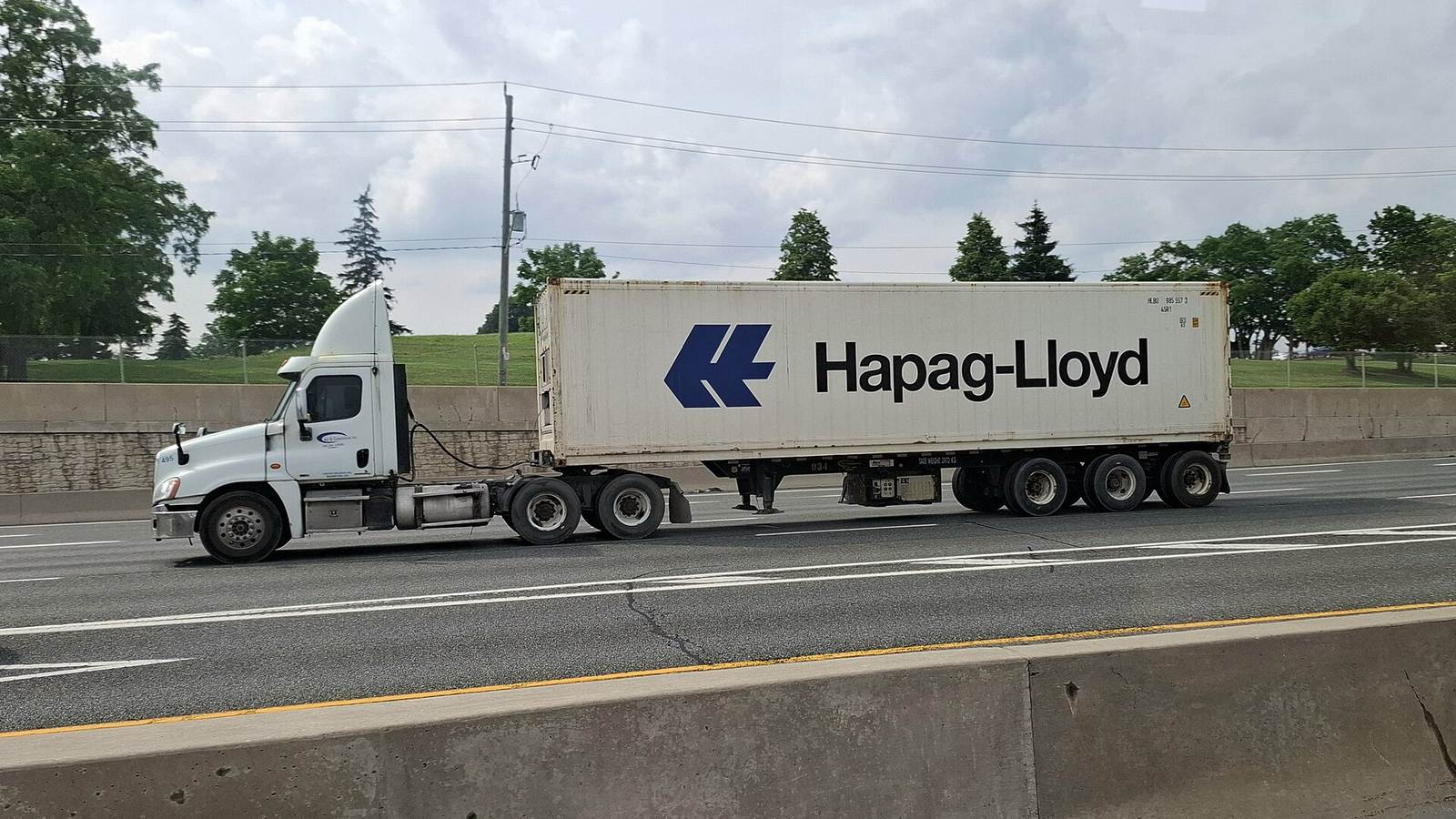
North Bay OPP stopped seven commercial motor vehicles on Highways 11 and 17 between Oct. 23 and 26, 2026, travelling between 116 and 122 km/h in posted 90 and 100 km/h zones. Police announced the results on Oct. 28.
Who got charged
Charges went to both sides of the operation:
- Drivers and carriers were charged for operating, or permitting the operation of, a commercial motor vehicle without a functioning speed-limiting system.
- Drivers also got speeding tickets.
The carrier charge matters. A limiter that is off or not working is not only the driver's problem. Police charged the companies too.
The rule
Ontario's commercial vehicle safety requirements say most large trucks must use an electronic speed limiter that caps speed at 105 km/h. It applies to commercial motor vehicles that:
| Test | Requirement | |---|---| | Build date | After Dec. 31, 1994 | | Electronics | Equipped with an electronic control module (ECM) | | Weight | Manufacturer's GVWR of 11,794 kg or more |
A limited number of vehicles are exempt, such as ambulances and fire trucks.
Why 116 km/h is a red flag
A truck set at 105 km/h should not hit 116 to 122 km/h on level highway. When an officer clocks a heavy truck well above 105, the next question is whether the limiter is set, working or tampered with.
Guru's checklist
- Confirm the ECM road speed setting on every Ontario-plated or Ontario-running unit is 105 km/h or lower.
- Keep a printout or screenshot of the setting in the truck.
- Re-check after ECM work, engine swaps or software updates.
- Treat a driver who regularly runs over 105 as a sign the limiter needs checking.
North Bay OPP said the systems help reduce excessive speeds and the severity of collisions involving large trucks.